7. Deb Hennig

Action First Aid

Content type

Good Neighbor Podcast featured episode

Primary themes

First aid, CPR, AED, defibrillators, emergency preparedness, Barrie


Guest Bio

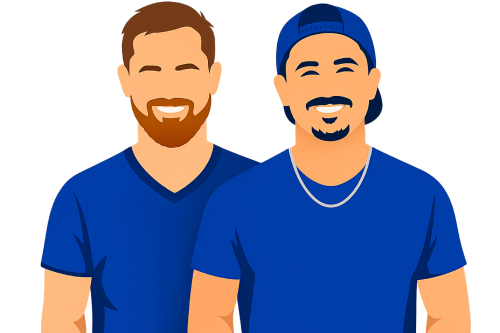
Deb Hennig is the co-founder of Action First Aid, a Barrie-based first aid, CPR and AED training company she runs with her husband. A former high school physical education and science teacher, Deb entered the field after seeing the value of CPR education firsthand. Her work has expanded from training into AED distribution, public education and the SaveStation initiative focused on making defibrillators more accessible and recognizable in communities.


Summary

Jeff Gartner speaks with Deb Hennig of Action First Aid about CPR, automated external defibrillators (AEDs), public education and the entrepreneurial journey behind a business built around emergency preparedness. Deb explains that she began as a high school physical education and science teacher. After bringing CPR instruction into her school, she became interested in teaching the skill herself and initially saw it as a way to create flexible work while raising a family. That decision grew into a business she and her husband had been operating for 27 years at the time of the interview.


Action First Aid delivers first aid, CPR and AED training and also supplies defibrillators. A substantial portion of the conversation focuses on AED accessibility and awareness. Deb explains that having a device nearby is only part of the solution: people also need to notice it, understand what it is for and feel capable of taking action before emergency medical help arrives. She describes the development of SaveStation, a system designed to house defibrillators, including outdoor placements, while making the devices more visible to the public.


Deb also explains the distinction she teaches between sudden cardiac arrest and other cardiac emergencies, and she addresses common fears that can prevent bystanders from helping. Her central message is empowerment: training should leave ordinary people more confident that they can call 911, begin CPR, use an AED and take meaningful action while waiting for professional responders. Medical and emergency-response details in the episode should be understood as educational discussion; formal training and current emergency guidance remain the appropriate sources for instruction.


The episode also explores why Deb stayed in the field. She describes enjoying curriculum design, interactive teaching and the transformation that occurs when reluctant course participants leave feeling more capable. For Barrie, Simcoe County and organizations across Ontario, the conversation presents Action First Aid as a long-standing training business with a broader mission: increase access, awareness and confidence around lifesaving skills and equipment.


  • Cleaned Transcript

    Transcript note: Timestamps and non-speech markers have been removed. Light normalization has been applied to obvious transcription errors while preserving the interview’s original substance and conversational style.


    [Music] this is the Good Neighbor podcast the place where local businesses and Neighbors come together here's your host Jeff Gartner welcome to another episode of The Good Neighbor podcast today we have another good neighbor on Deb and of action first aid Deb welcome to the show thank you happy to have you here I'm looking forward to learning about what action first aid is I know very little about it and uh I like being in that in that uh position the same position as the audience so let's let's get right into it what is action first aid Deb okay so action first aid is a a company that myself and my husband have been running for 27 years now uh we're based at a Barrie um as was a former teacher I was a high school fizzed and science teacher absolutely love that job but I had been bringing somebody into the high school to uh deliver CPR training to the grade n students and that was 30 years ago and um that's when I kind of got interested and I thought you know what I really wanted to stay home with kids I was hoping to have a family which we did wanted to stay home with kids and I'm like okay I could teach CPR uh evenings and weekends to kind of make ends meet so that's kind of how our our business started um and uh my husband I guess probably six years later kind of left his his job as well and we started action first aid and so we have been delivering first aid CPR defibrillator training uh primarily in the province of Ontario but we do have approvals outside of uh Ontario into other provinces we've been selling defibrillators the life-saving machines that are needed when someone's in sudden cardiac arrest and then we were kind of a um also co-founders of a of a brand called save station which is bringing aeds outside into the community and trying to drive much needed awareness about when and how to use a life-saving defibrillator so is that what a a defibrillator is is that the acronym for it in a that's right that's right and yeah and not a lot of people knew about that right and still know about it so exactly so that's when a few of us came together and said wait a minute you know there's not enough people like most people that come to a course have to take a course so the people that come to our training center here in Barrie and elsewhere it's highly regulated industry so certain number of people have to take training but really the majority of people probably understand yeah I really should learn CPR but rarely does anybody just take a course and and not enough people probably even understand how to use an AED automated external defibrillator so yeah and not to mention I people forget so it's nice to know that you have a good uh resource out there like yourself I went to firefighting college for two years so we dealt with the fibrillator if they told me the acronym completely forgot it and then I also I'm an addictions counselor on the weekend at a wonderful place called Cornerstone to recovery kind of what I do it's like near and dear to my heart I I love uh being over there with those people we also got trained in CPR and the defibrillator came up and again uh if they said it I forgot it so you forget these things I mean I've had CPR training I don't know two or three or four times I had it as a personal trainer I had it as uh uh in firefighting college and then I had it at the addiction facility but all of those were years ago and um and you forget so it's nice to have a really good resource out there and you were saying you want to put it out into the public so that people are aware of it and have a better level of Education about it yeah well that's part of it I mean I think I was referencing save station in particular when when I when you've kind of picked up on that point so um aeds or defibrillators you know have been basically in public buildings for over 20 years now um but as you can imagine right you might go into a hockey rink or the library or certain buildings and and Retail spaces and you'll start noticing them on the wall um but it was about seven years ago that actually my husband kind of started to notice or more than that that um we traveled over in Europe and we noticed that there were defibrillators on outside and we're like wow we don't have that in Canada anywhere so he started researching the outdoor cabinet space and it really was um um kind of I think I I credit you know his his vision to say okay let's start bringing them here and we started to Pilot them and placing them outside so we went to Mayor lhan and we said hey this is this is an idea we we have aeds indoors but I think we really need to inspire people to think we need them 247 accessible so after you know the doors close at the end of the day they get locked up so we really need to get them closer to people um and maybe we can get into why and the importance a time so so that's kind of started that started a big journey of ours where we uh tested um in partnership with city of Barrie an outdoor AED and uh and it was great it stayed warm it um it wasn't stolen you know which are some of the things because it's fully accessible but then we realized is you know all those things um were successful but then we stood down at the beach where we placed it and we started to ask people kind of running by and walk walking by do you know that it's here and they didn't even notice it do you know how to use it I wouldn't feel comfortable and so again there was a team of us um who stepped back and said wait a minute okay we've just provided the access but now we need to really really expand on the awareness and the education piece because it's really the public that needs to understand um you know that that's for them it's for the public to use before medical help arrives so save station is a is actually a brand and a product that we created that houses any defibrillator on the market and it's and it's designed to kind of drive more awareness and more education and what do we use a defibrillator for so a defibrillator is needed when somebody goes into sudden cardiac arrest and that's different than a heart attack a lot of people sometimes confuse those two terms but a heart attack is if someone's experiencing a heart attack um there's a clogged artery somewhere in the heart and a certain part of the heart is not getting blood and oxygen um but the person is conscious and they're breathing they still need medical attention immediately but when somebody goes into sudden Cardiac Arrest it means basically they're unresponsive and the heart is now in an abnormal Rhythm and you know good and bad but um you know 75% of the times that somebody suddenly collapses like that and it's and it's also maybe we should start by saying it's a it's still one of the number one causes of death in North America and you know the stats right now from heart and stroke are one person every 11 minutes collapses in sudden cardiac arrest and what is absolutely critical is that the first 10 minutes so we have basically no more than 10 minutes to save a life within the first four minutes there's little very little brain damage but after four minutes when the brain is not with oxygen um and the heart muscle itself is not with oxygen um brain damage starts to set in and at the 10 minute Mark it's irreversible so this is where the the need for a defibrillator the public to grabb one and use it feel confident and good effective CPR is critical and that's really what's going to save lives and prevent unnecessary death and and it's also it's a it it can happen to young people too maybe we could come back that at some point but yeah really important information I mean it just taught me so much there and and one of the things I was going through my head during that time was a question my brain brought up was you know where's the most common place for people to to go into an Cardiac Arrest I imagine a good portion of them are are that's happening at home you're right yeah ironically it is right there's a there's a large percentage of people that you know do suffer sudden Cardiac Arrest at home and um maybe to that point and this wasn't scripted but it's interesting you brought that up because one of the programs that we super passionate about is basically it's called a neighborhood save station program and so we for example placed a defibrillator okay in a save station on the side of our home because and then we basically hosted a a life-saving block party and we brought all of our neighbors on our street and they came over and in one hour we showed everybody how to use it we told them it's there for them 247 um we did a CPR and AED kind of demo in the backyard and and it's amazing because now we've just brought this group of people together some neighbors who had never met each other and so this is kind of a concept that we're inspiring other neighborhoods to do and we've had some great engagement in Barrie but uh I think there's so much work we could do just right in our own communities it's kind of similar to the to the old block parent if you maybe you're not old enough to have remembered the block parent but some of us on this show maybe are and it's just caring for one another right that's what we do here I mean uh that's that's the whole point of this is caring for our local communities and helping provide quality education getting good exposure out there as knowledge can be very powerful and it can change the trajectory of your life are there defibrillators for a home like is this something we should consider having in our homes people are buying them for their homes and they're Cottages yeah so there's a variety of different defibrillators on the market we sell every single one we train on everyone we support everyone and every AED has kind of you know different features so depending on what someone's looking for um that's kind of what our team helps everybody do is just understand what's important to you do you want pediatric capabilities do you feel that you need a bilingual device do you want compression feedback there's different features and then obviously different price points but you can basically have any AED in your home um and they are designed for kind of the lay rescuer somebody who's had no training we we strongly encourage training because it's the situation a defibrillator is very easy to use but the situation is very traumatic you're dealing with somebody who is clinically they dead so we have to kind of encourage people to understand that anything you do is better than nothing um aeds are amazing now you turn them on and they start speaking to you and everybody's very very comforted once they actually see that that's kind of how uh how defibrillator setup is to help you and then of course 911 right we always number one thing is to call 911 and then you would let them know what's going on and and the the 911 operators are are incredibly strong at coaching people through what to do until medical responders like take right over so important I mean uh I was I was thinking about my grandfather's situation he went uh he was non-responsive so he went into sudden Cardiac Arrest this was a while back and luckily my grandmother was quick enough to uh to respond to call the uh to call 911 and get the ambulance there but damage was done I mean he was not the same afterwards and that led to complications down the line so that's why I thought like I imagine a number of people we're in our homes so much m right so you know it it can it can just happen I imagine my grandfather's case wasn't unique so had we had a defibrillator in there would it have made a difference at least it would have given us a chance to make a difference um you know so I'm really happy that that uh there is availability for them to be in the homes but also that the level of education is going up um your your mission to provide more awareness I think is so important as we don't get a lot of chances uh at that it's it's like in many cases one and done so if we can be more prepared more educated and certainly more confident in those situations like we have the defibrillator at the addiction clinic and we've used it when we went in training and it was speaking to us and it was very easy to use and we practiced on our mannequins and then just going through it once or twice I think it was a 4our training or something but just going through it once or twice you're like wow this is more simple now I can prolong the life to get to uh to get them to the point of being a little bit better off when the ambulance comes yeah exactly and and to your point right I think a lot of people think you have to put yourself in a two-day course and yeah there's two-day courses that still exist that you know you have to take for a workplace for example but you know I think most of us in this industry now are saying you know what we need to we need to grab as many people as possible and in less than an hour everybody can learn CPR and understand how to use a defibrillator so um we we've just built out some I think really really strong online learning tools as well so we have a program launching pretty soon called CPR and 60 and um there's some incredible resources there so there are definitely things out there in in the community that it doesn't have to be a a big full day commitment because we know we know running a training center the only people typically that come are there because you have to so very few people actually say you know what on this Sunday I'm G to take a CPR class but um we we hope more people consider that yeah I mean as education grows awareness grows and ease of access if I have to make a large investment even though this is a very good education to have and can be absolutely lifesaving you know people often take the uh the path of least resistance so if you can make it easier for us easier to understand easier to um access and quicker yeah I imagine more people are going to get educated by it and that awareness uh will spread over time something that we love talking about on this show is the story behind why we do what we do it's been a very valuable question to me to ask why uh in my life uh as we sometimes find oursel just doing things and not really U being intentional about it so we like to ask our guests why did you get into this so what is the story behind you told us a little bit already how you started it and how long it's been but why did you get into this why get into first aid yeah well I you know maybe just as I mentioned at the beginning I you know I was first introduced to it because I had been bringing somebody into the high school to deliver the training and it was a young girl she was in grade 11 and I think she had been a lifeguard and became a CPR instructor and you know I ran around and grabbed the students to take the course but I sat there as a participant and it was it was really interactive um and you you just instantly feel like wait a minute this is a skill like I had no idea what to do and it just instantly spoke to me and I and as I mentioned I I love teaching High School teaching but I did want to be home with kids so I did start because I thought okay I need a way to help make money and pay the bills and so I got involved and um you know I I'm from a very entrepreneurial family I grew up in a family that my parents ran their own business so I do think that sometimes becomes part of you as well and uh I it really mattered to me to be home with kids first and foremost and I figured okay this is a way I could do it and I just I've never looked back I I mean I've been passionate from the day we started and I love uh I love the design of curriculum I love kind of creating something I think the courses that I had taken you know I found I I sat back and thought okay I think we can do this differently and i' I've always been on a journey to think okay how can we we have to get through curriculum there's certain things we have to teach but how can we do this where someone walks away and says wow like I'm really glad I was forced to take it and so that's actually what I found the training side of the business to be is you you're just meeting amazing people every day and you're taking a group of strangers who often as I say maybe didn't want to be there and you're just kind of it's it's it's a whole um it's it's quite a development throughout the day of even just getting everybody comfortable with the skills getting to know one another laughing at themselves a little bit and just basically walking away saying okay you know what I I at least have some confidence to step in and say I can do something I can take action until some else comes and it's just that sense of empowerment so that's kind of what's been driving us and then the AED side of the business I mean I don't know I can't imagine anything more important than selling a life- saving device I know there's other important missions so I probably shouldn't say that but this has been to me right up there with saying and and you know we've unfortunately met I've done a lot of bit a lot of work in the states over the last seven years with these outdoor safe stations and working with um a pretty strong parent group it's called parent heart watch in the states and that is basically 20 years strong and it's parents who have lost children from Sudden cardiac arrest and when you hear those stories and you understand what they've gone through it drives you to say okay you know what there is so much more we need to do because people think of this as being an older something's going to happen to an older person and it can but it can happen to any age but then there's a lot of healthy kids that just can go into sudden cardiac arrest and that's when a defibrillator is absolutely necessary and that is when lives are saved so that's been really giving me an extra i' say Lift in the last in the second half of you know this journey um and then and then we had as I say we started you know creating this safe station product we started to place them Outdoors they're now in you know very high-profile kind of units they're lit up at night so people notice them there's messaging on there saying you have the power to Save a Life and um it was absolutely incredible a year and a half ago to get our very first call that um we had our very first save and it was a 12-year-old girl who was saved playing soccer and just outside of Seattle Washington and um complete unknown heart history and she collapsed and because somebody else um had placed a safe station um we worked with them but they had lost a good friend of theirs so it was in memory of his friend who was also a very healthy young soccer athlete and because of all these things coming together um this young girl nah was saved and we had the chance to meet her and meet the family and and then a week later we had our very second save and it was a 16-year-old boy in somoma Valley California who was also a save station was placed in memory of another young boy who died his name was Michael playing basketball ball and his mom you know has dedicated her life now to say nobody else should go through this so she placed a safe station in somoma Valley in an outdoor beautiful Park and um one night at n9ine o'clock at night three boys were playing four boys were playing basketball and a boy named Michael 16 years old collapsed and a save station you know was lit up just close by and those boys had taken CPR in high school noticed the AED and grabbed it and so that was our second save we had one more but that's really what drives us now to keep keep going yeah I can't think of too many things more motivating than that it was one of the reasons why I wanted to become a firefighter didn't pen out for me it turns out that I am too colorblind to be a firefighter in Ontario yeah oh I didn't know that okay yeah I didn't know it either and they didn't test me until I graduated okay but uh yeah I mean it just worked out for me I enjoy my life quite a bit but that's must be incredibly fulfilling work and I can see why it would be so motivating um do you mainly work with businesses and schools or is it do you work with the uh residential public side as well yeah basically um yeah we would have from a training perspective we have individuals that need it for resume for schools um and then you know most of our work is you know corporate training um but then there's individuals purchasing defibrillators for home and Cottage and then of course there's you know we're we're servicing businesses universities municipalities um we also built a you know kind of a a piece of technology that helps larger organizations manage defibrillators and that's an area that's been a real challenge is that you know people have invested in a but then they haven't always been given the tools to kind of make sure that their pads and batteries you know stay current so we have a tracking tool that we basically give free to our customers and it helps them make sure that you know they get alerted when their powder battery expires that's super important and then really you're supposed to be checking it once a month it's a quick check and you look at it and you make sure green light's flash flashing or there's a check mark so we've created kind of a a tool that helps companies um just remain compliant too and is do you do a fair bit of work in Simco County or are you spread out all over the province like is there an area of focus since you're in Barrie well we've always wanted to do as much as we possibly can in Barrie and and it and so yes we do I mean our our head office and our main Training Center is in Barrie so we have a super busy Training Center we have three big large bright training rooms that are busy almost every day of the week so we're servicing our community we um we do we love to give back to our community we do a lot of you know we donate aeds for lots of good causes and we donate training for lots of groups that need it um and then as I say our first save station was placed in the heart of Barrie so we're always very thankful to the city of Barrie for supporting that and uh we'd absolutely like to to see more defibrillators in our community but in terms of our business we're definitely branching out and um we're actually getting a lot of traction in the US on the outdoor side it seems to be there're a little bit faster just with being able to make decisions and you know people naturally have concerns when you place an AED outside could have get stolen you know and um but I think that uh we've got some good good um good data now that saying that yeah anybody could take it but it's very very low what we're finding people are really respecting these so um yeah we're excited all the work in the States but I still want to see Canada keep uh keep understanding and driving driving this movement forward too wonderful um some common myths or misconceptions we we talk about a a handful of things you get a handful of themes here we talk about the why the story we talk about hard things on the show and we really uh talk about knowledge and wisdom and sharing our experiences and our education with the people who may be unaware to empower them with information so now they can make better decisions really it is about uh empowering people with with quality information so myths and misconceptions they're in every industry and there could be some people out there that could say this is too hard for me to confuse using for me I don't know I'm not going to touch it I'm too uncertain so is there any miss or misconceptions that come um with your industry or what you do that you could kind of clarify for the audience yeah I think I mean a few come to mind right off the top I think the number one thing if we're going to continue down the topic of CPR right which is really you know kind of your worst case scenario if you have to provide CPR right or if you have to provide first aid is to deliver CPR because somebody's clinically dead but I think the concern people raise commonly asked questions are well can I hurt them and I could make them worse so those are two ones and I could be suit those are probably the three number one questions and I could break the rips so basically those are maybe the four commonly asked questions and I think it does just come down to people understanding that if someone is is in sudden Cardiac Arrest they are clinically dead you cannot make them worse um anything you do for them is better than nothing right and so um that's I think rule number one and um the second thing is yes you can break ribs um that you don't have to break ribs for it to be effective but you absolutely could break ribs and but again we have to understand that ribs and sometimes it's the cartilage that you know we have our sternum and our ribs attached by cartilage so sometimes the cartilage can tear as that you know cavity is being pushed down sometimes ribs can break but ribs can heal but the brain cannot heal after 10 minutes there's permanent irreversible brain damage so that's I think number two um number three probably and not necessarily in this particular order but people some people worry about getting sued and um it's super important that everybody realizes that you know everybody is 100% protected there's the Good Samaritans act it's written differently in every province in every state but we have a very strong system that backs us and it says if you step in you do the very best you can in an emergency um and as long as you stay within the scope of your training meaning you're not doing something really Way Beyond the scope of your training some kind of advanced you know maneuver then um then you're 100% protected so that's super important that everybody realizes um that as well so I think did I answer the four I had mentioned four so there was you could be sued you could make the person worse break the ribs and I'm forgetting the for uh oh someone's listening saying oh it's this um it'll come to us it'll come can I break my ribs can I sue them yeah I can't remember but I mean really and oh sorry I mean one one thing too people are worried about I didn't mention this but um people are worried about strangers and what happens if I just randomly it's someone I don't know and they collapse in front of me so there's natural concerns and fears about can I catch something can I I don't want to touch them and of course when covid was going on right that was a whole journey for us to go through is how do you teach CPR when it's very Hands-On when you can't touch anybody and stuff so but um I think it's super important that everybody realizes that CPR it's strong compression only CPR is strongly recommended for the majority of people um because we do understand that people aren't comfortable putting their mouth on on a on a stranger it's actually a difficult skill to do to actually really do a good head tilt and you know maybe you don't have a mask maybe you don't want to put your mouth on somebody how to ventilate into them so we do still teach 30 compressions two breaths for CPR but it's also we also tell everybody that if you're not comfortable if you don't have a mask if you don't feel the breasts are going in then you absolutely we want everybody to do compression only and it's not we as an us this is this is a it's a regulated industry there's guidelines that come down from heart and stroke and American heart and so those are the guidelines that are now um it's well studied and it's compression only CPR is super effective it keeps blood going to the brain a lot of people don't realize what you're actually doing when you do CPR all you're really accomplishing or intended to accomplish is your number one job is to push hard enough and fast enough in the center of the chest to move blood to the brain to keep the brain alive until the defibrillator arrives yeah you're pumping the you're manually pumping the heart to keep cycling blood through the body that's right and you know what picture like a soap pump you start pumping your soap pump it doesn't always the the soap doesn't come out right away right it might take a couple pumps three four five and finally it comes out so that's another reason for compression only CPR is it might take take seven or eight times of really good compressions to finally get blood moving to the brain and then sometimes to stop to give the two breaths you've lost the the pressure in the system so that's you know for for a number of reasons that compression only CPR is strongly recommended for the lay rescue people that have not taken training um and it's just a little bit easier so for the people listening you can't make them worse breaking a rib I imagine I mean they told told us that it was pretty rare that a rib actually broke it happens um but they told us more about that cartilage uh when I was in firefighting college that you were talking about you can't make them worse and worst case scenario for you uh is compressions just get that heart pumping that's right yeah one other thing too that is is really kind of important information is a lot of people don't know when um when to start CPR and what happens is the minute somebody goes into sudden Cardiac Arrest there's often something that kicks in when somebody's in that state and it's agonal breathing so basically it's the body's last gasp to to breathe and some people have witnessed this when you want some somebody pass away and so it can actually look like a seizure it can be people can think oh they're they're breathing or they're gasping well we have to really understand that that is basically you almost have to expect that you're going to see that kind of abnormal breathing and that is not normal effective breathing so if you witness that and they're unresponsive and they're not waking up call 911 call for an AED and then um begin CPR immediately okay good to know life saving information right there thanks for sharing that okay outside of business Deb what do you get up to for fun I mean this very much seems and a lot of our entrepreneurs come on the show so many entrepreneurs out there really do something that they're very passionate about often they've answered a problem in their own life that they learned a new skill now they can help other people answer it so we get a lot of our entrepreneurs saying I love what I do or I'm doing my stuff all the time because I enjoy it but there is something Beyond business um so what do you get up to when you're not in business mode when you're not out there teaching people how to save lives all right well you know what I think I have to lead with the fact that I have three kids and have absolutely loved being a mom and uh while juggling a a really busy life and business I I never missed a game I don't think I'm yeah may be the odd game but we traveled all over all over the province at all the sports games they're they're kind of past some of that now but I uh what do I do I play tennis I love tennis um I uh started a hiking group with a group of ladies and uh it was locally yeah my mom inspired me years ago she started this 30 years ago back in Unionville and these ladies have been hiking for 30 years and it's incredible because there's an age Gap the oldest one just had her 90th birthday my mom turned 80 80 and the other one was in 70 and there's been like I think 18 of these ladies so I this this was my year to say you know what it's time for me to uh try and do this so I can't do it once a week but once a month there's a group of us now we just started and we're kind of starting local and we're going into different woods and you know hiking and then uh it'll it'll take us a little bit further so that's been uh that's been fun and the other day I went in the lake I um I did my first Plunge in in fact it happened because we were hiking and one of the the hikes took us to the water and then as we were walking by Centennial Beach and there was people out there and one of the friends of mine said oh yeah I've been plunging you know three times a week and I'm like what really I want to try that so my friend and I just yesterday went down and said let's do this so we uh we marched down and yes a really nice guy stopped and saw that it was our first time and he's like okay I better I better make sure you girls are okay and anyway we got in there we only lasted for I think 30 seconds but anyway we we'll get better at that so yeah and there's so much phenomenal literature and research backing what cold water exposure does to us and if you can get it out in nature like I I'm I'm in my little office here and I have a a sliding door to walk out and so I have a like a a mansiz garbage can that iose yeah I mean it's it's it's I don't have a lake nearby currently and umh it's just easier because I make a mess in the tub so I just fill the hose up and put a bag of ice in there and spend a couple minutes really nice in the winter uh too although people think I'm I'm crazy my neighbors do but really calming once you get past that first minute and those pins and needles go away it's just a wonderful like this nice kind of spiritual experience so I'm glad you're getting out in the in the lake it's it's such a cool thing I don't hear many people talk about getting into a cold Plunge in in the lake or cold Plunge at all I think it's great that you're doing that yeah well as I say it's I just did my first one so I I did say hey we're gonna each time we're gonna just I said even 10 more seconds right that's that's how you start so that's it yeah couple couple of minutes is the goal I mean two minutes of me I'm out that's right yeah um so I told you before we like talking about why the story and then hard things that's something we really like talking about on this show because we found that it is being talked about more that hard things are being celebrated our challenges in in our life story um but still many of us myself included when I was younger I would be embarrassed about them or I would I feel shameful about a failing or some challenge that I couldn't overcome in that moment uh that roadblock stopped me dead um but now we're trying to shine a light on that a bit more on this show as well and many other um platforms out there are trying to show that there's so much growth to be had when we not only don't Tamp these hardships down but celebrate them because they help make us who we are if if everything went our way perfectly every day all the time life would be boring I think if everything went good all the time I don't think we'd recognize good uh it's because of the bad that we recogniz the good and there's value in both so we like to ask our guests on the show is there any hardships trials tribulations that you're comfortable sharing with us that probably sucked when you went through it it seems like the greatest things in life for me anyways are often the hardest roads and are usually um paid for with upfront pain and this long-term gain um whereas Comfort is kind of upfront pleasure and long-term discomfort in many cases but is there anything that comes to mind that probably sucked in the moment but when you look back back at it there's no regret there actually maybe you're grateful for that experience in your life because it helped make you who you are today well um yeah it's a good it's a good question for sure um and you're right we should spend more time talking about that right because we could all benefit from hearing what other people have gone through the I think the main thing that comes to mind for for me personally and and it does relate to Safe station is we you know this this Vision was really and again there there's someone locally too in Barrie who's part of coming up with this whole concept and um the goal really was that we realized that there wasn't a universal kind of look to a defibrillator okay so when you start looking at every AED indoors there's different size shapes cabinets colors different messaging on them and there's no consistent look and feel so when we realized that we needed to to construct one outside to make it visible we thought okay but look at all the ones indoors so that's we basically that's where kind of safe station as a brand materialized where we thought okay this is really almost a no-brainer they should all look the same just like a London foam Booth or a hospital sign and so a group of us kind of really started working and saying okay we really need to try and create a universal housing solution so when we came up with this concept of safe station it's for any AED on the market we then wanted to basically share this concept and this product with as many people in the industry as possible and um at the time I remember the person I was working with this guy local guy and he seemed to think well of course we do it and I'm like yeah but there's different competitors and not everybody really wants to work together so we kind of thought no okay it's still worth it let's see if we can do it so we kind of launched this into the indust and I personally would have made many phone calls to competitors of ours who you know were all competing in some way shape or form sometimes right but um and I'm like okay if you can buy this type of cabinet for the same price as the white cabinet you're putting um I think this is the goal for the public so that the public knows what to look for and so we've had amazing Partners come on board who kind of believe in that that's the right thing but then we've also had some really disturbing situations happen where people that we are working with selling save stations too and then all of a sudden we find out behind the scenes that they're completely copying the product and knocking it off and all of a sudden so and that's happened probably three different times um a couple times in the states one one in in Canada on the west coast now the person on the west coast has since come back and said you know what this is harder than it seemed we're actually ditching our knockoff product and we're now going to kind of come back but that's been for sure the hardest thing is to actually even work with people who you find out behind the scenes have a capacity to do that um and I think sometimes it comes down to money and greed and we uh sometimes it's confusing that people can believe that there's like you know a purpose to work together so so yeah that's kind of been definitely a challenging thing for us to to work through but but um it's told us that it's probably a good idea the save station concept but at the same time it's it's been challenging to to get to know people well people that you really trust and then you think um that's kind of so that's been a challenge so you asked about a challenge and that's definitely one that we're we're still kind of working on but I think there's just too much good momentum and when you keep surrounding yourself with good people and yeah definitely some people some relationships can go sideways and I've found that really really hard personally I really feel that I we're family business and I pour my heart and soul into the people I work with so sometimes that can really surprise you but um anyway you just keep uh keep moving forward so yeah it's tough when you put your heart out there you put your Blood Sweat and Tears into something and you really um Foster relationship for trust and you get burned um it stings especially when you had the greatest intentions uh there and it was an honest relationship at least you felt felt but it certainly teaches us uh about other people um I found myself to be a little bit more cautious not more guarded I find myself more open now and vulnerable than ever but I am more cautious with who I bring into my inner circle if you will uh I think my standards have changed simply from being burnt so I I think the quality of my life has gone up because some of those relationships have turned sideways because I was maybe a little bit too frivolous with with my trust or too lenient something along those lines but I have become more cautious and therefore my relationships have gotten deeper rather than more relationships it's the fewer that have gone deeper that's certainly how it's affected me and I appreciate you sharing that story with us I think a lot of entrepreneurs have been through something similar uh it's not unique to your business our Partnerships you know out there but it teaches us things uh for sure yeah yeah I mean I would I would say that I think I still want to keep living my life where I trust my instincts and you know what I think it's it doesn't happen very often in the big scheme of things right I think we all have to kind of believe in one another and uh yeah so beautiful I think that's well said something that you wish our listeners knew about action first aid what's one thing that comes to mind that you really want to narrow down for them so they can know oh wow well I mean from as a company we're we're obviously we pride ourselves on you know kind of creating a when you have to take training we don't want you to dread it we want you to you know come and trust that you know we've poured a lot of time and energy into creating an amazing you know Innovative training experience um and then we're also here to to help right we we have lots of people on this team that if you're just even thinking about a defibrillator or um you're not really sure how to get started you want to try and start something at your cottage or crowdfunding and you just want to kind of get some ideas right we're also we're here to kind of support questions and sometimes these things take time um but uh yeah we're we're very um we're very interested in our local community we want to support people so if people in the community feel that we can also support them in some way we did we give away a lot of prizes for golf tournaments and there's always something somebody needs we have great little items we can donate and training we can donate so please reach out to us directly if uh if we could help in that capacity as well well I think that's a great way to Pivot because the final question is how can people find out about you Deb oh okay well uh the good old internet is how you can find us so action first a.ca is our website and uh we also have a second website save.ca but action first aid has lots of information too about outdoor and it has um yeah I think action first aid is the main site and you can kind of go from there wonderful and then I have a secret question that I ask at the end I put on the question there and I'll be quick because we're slowly running out a time here but I like to provide a little bit of context and uh I've been very lucky I talk about them pretty much on every episode uh which there's been many so I'm kind of a broken record but I talk about my mentors I think behind I love this quote behind every excellent person there's an excellent teacher you are providing great education out there that's what we're trying to do is to get experts on to provide great education as I believe now knowledge and wisdom move us forward and um certainly from my own life that's been my own experience in my early 20s I was lucky to attach myself to a great mentor and she taught me to think about my impact she taught me to think about my impact up to that moment she said I think it would be very prudent of you to think about what has your impact been up to this 23 years on this Earth maybe there's things you don't like about it maybe there's things you regret maybe there's things you do like but once you start to identify these things now you can start planning your impact going forward she taught me to think about my impact of each day because there's no guarantee that I'll be here tomorrow and then if I am here uh for however long I am here for what do I want my impact to be going forward so essentially we like to ask our guests what do you want your impact to be on this world oh wow okay it could be family it can be business it could be Community sometimes the world's too big at the end of the day they're all one in the same I know I know well you know what maybe I come to uh I thought you were going to ask me about my mentor so I was quickly trying to think who am I how do I decide who to say um you know what there's a saying that we have in this building there's in our home at the beginning of our instructor manual and it's AA Angelou saying um and it's oh geez am I gonna be able to quote it I think I know this saying already and I think I love it but I I'll I'll say it I won't make any assumptions you're gonna make me kind of say this here on the spot yeah so it's basically just that you know people might forget about what I say they might forget about what I do but you know you don't want them to ever forget how you made them feel that's not exactly it but I think that to me has always resonated with me is that I really do want um that that's important to me and and I you know I hope that's what I bring to you know my family and first and foremost and then you know our company and then we want want everybody when they come into here to feel that way too so it's how you make someone feel right and um so maybe that's uh maybe I'll leave off on that one I love it my Angelou is a very wise woman and I think that is it we remember how we felt about that experience and hopefully we can put some good experiences out there I love that that's your impact you've enlightened us with so much great information thank you for peeling back the curtain a bit into your own life into your business I think what you do is fantastic I'm glad you are out there doing it and it was a pleasure having you on the show Deb a thank you so much Jee much appreciated you're welcome thank you for listening to The Good Neighbor podcast Midhurst to nominate your favorite local businesses to be featured on the show go to GMP midst.

    comom that's GMP midst. or call 705 413